
Image Gallery
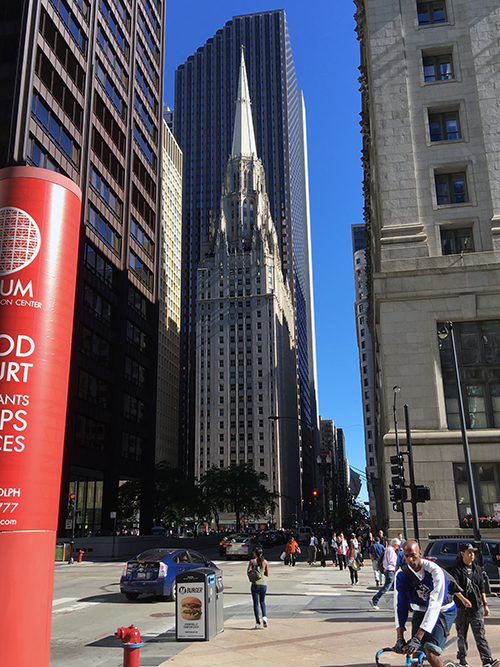
The Chicago Temple as seen from the intersection at Clark and Randolph streets.
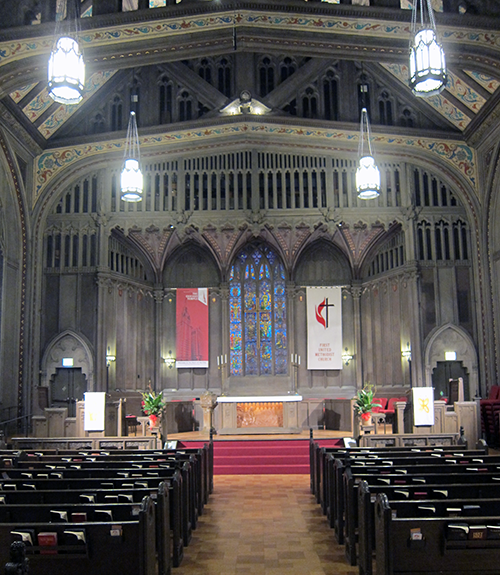
Opus 414 is installed above the chancel of the sanctuary at First United Methodist Church in the Chicago Temple building.
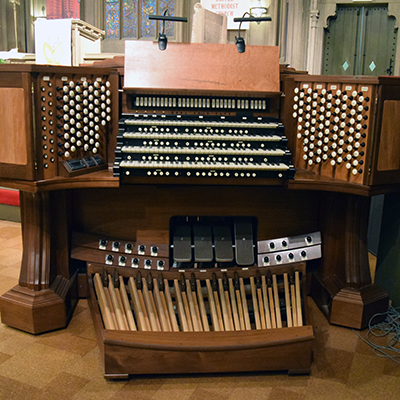
The previous console of Opus 414 controlled all of the pipes and mechanisms of the organ. The restored organ will include a new console that is custom designed to efficiently control all aspects and functions of the restored organ.
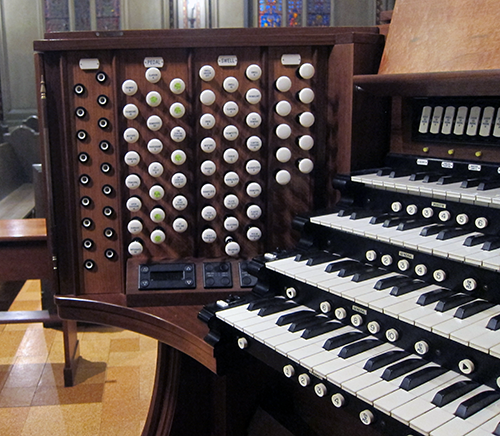
The previous console of Opus 414 includes keyboards and stop knobs that select which pipes receive air from the bellows.
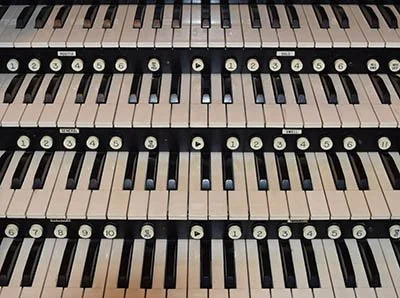
Four separate manual keyboards are required to play Opus 414
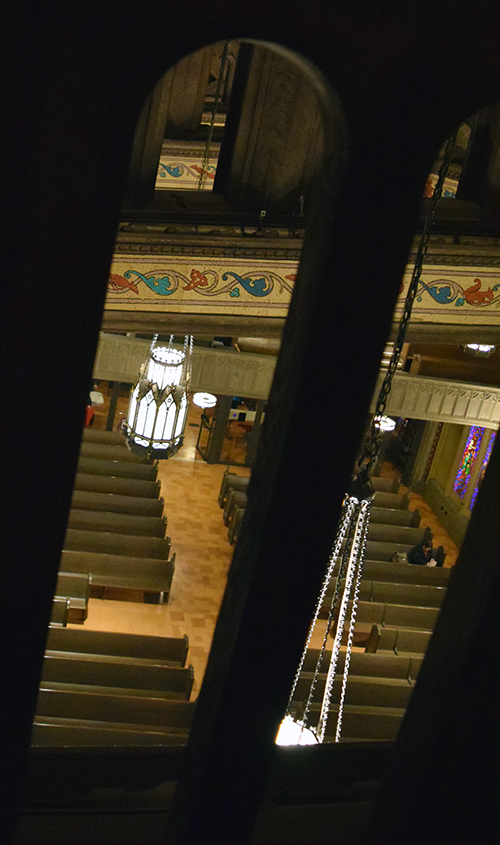
A view of the sanctuary from behind grillwork above the altar.
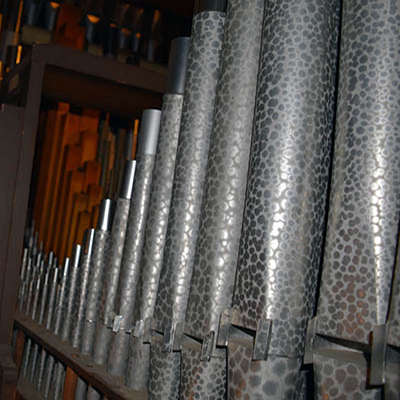
Spotted metal pipes are made of an alloy of lead and tin and produce a wide variety of sounds and timbres.
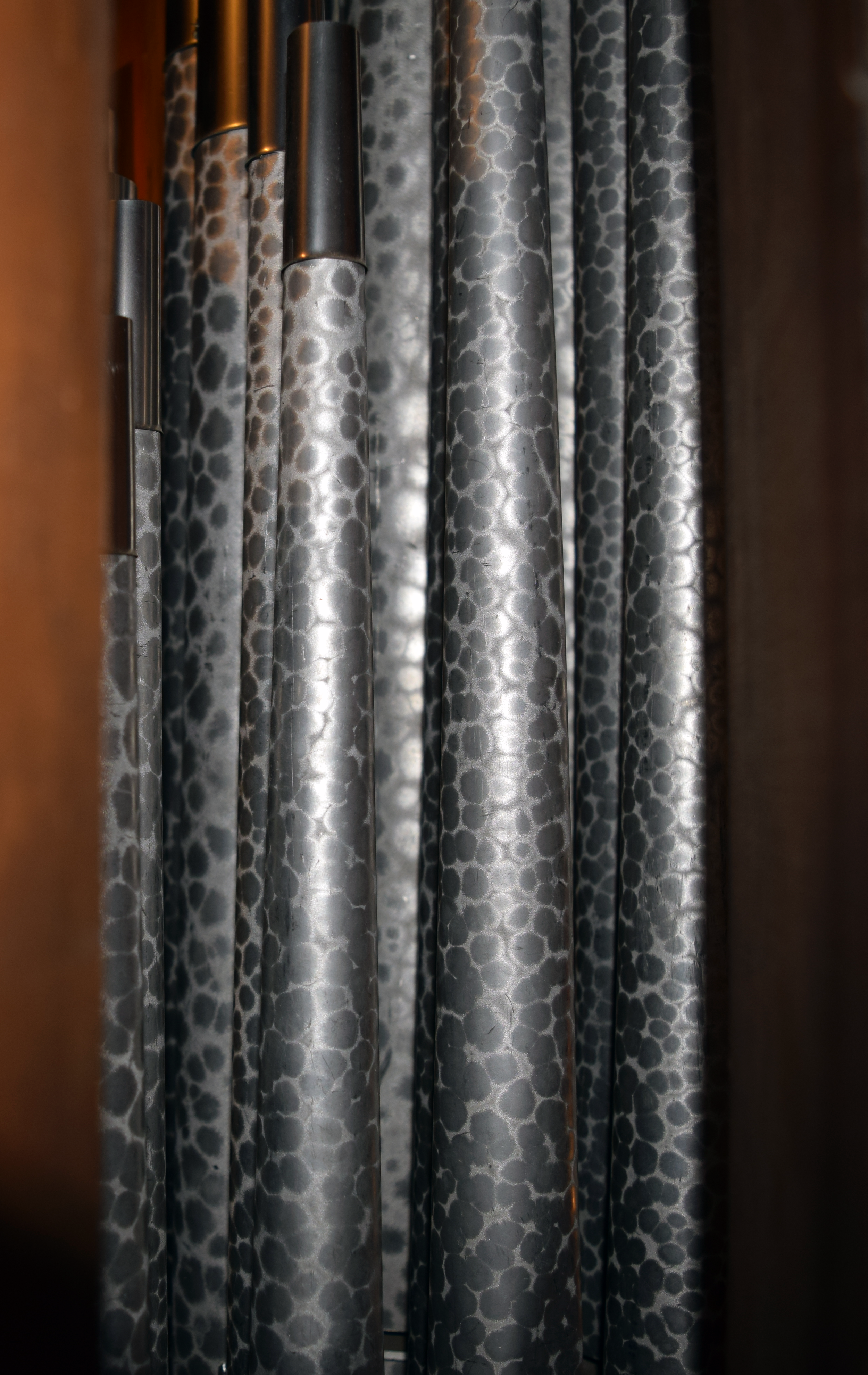
Opus 414 pipes are packed closely within their enclousures.
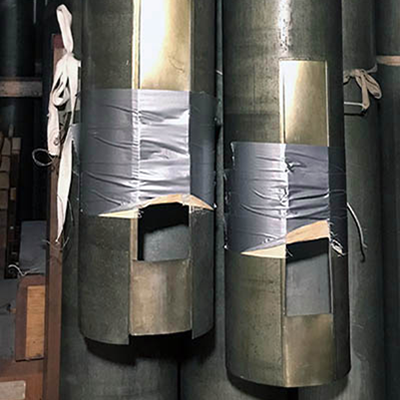
Improvised fixes were necessary to keep the organ operating as it began to deteriorate.
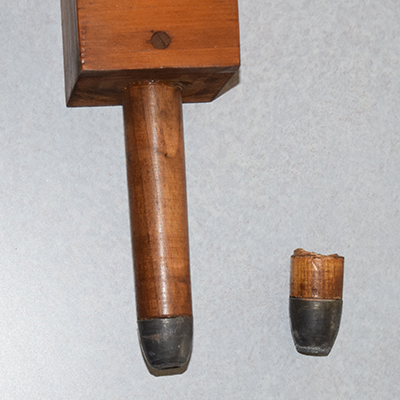
Key components of Opus 414 were damaged due to age, wear, and several water leaks in the Chicago Temple building.
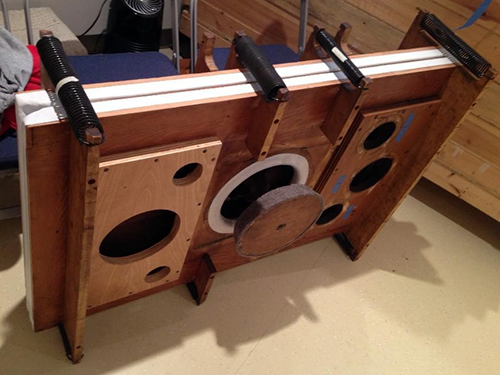
One of several high-pressure bellows (wind reservoirs) in the organ.
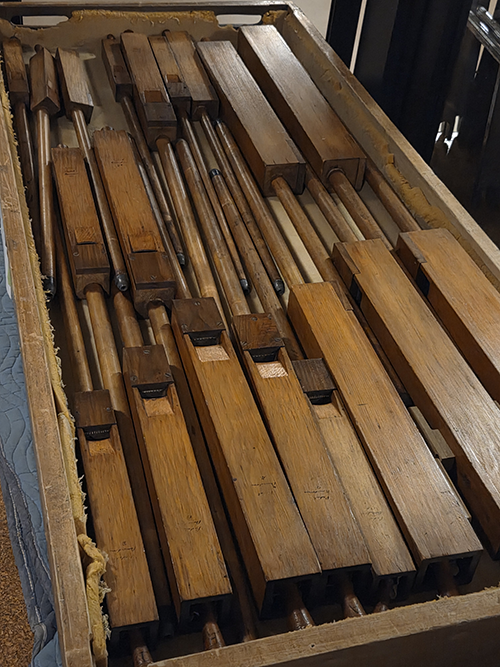
The Schantz Organ Company removed and boxed pipes for shipping to their headquarters in Ohio.
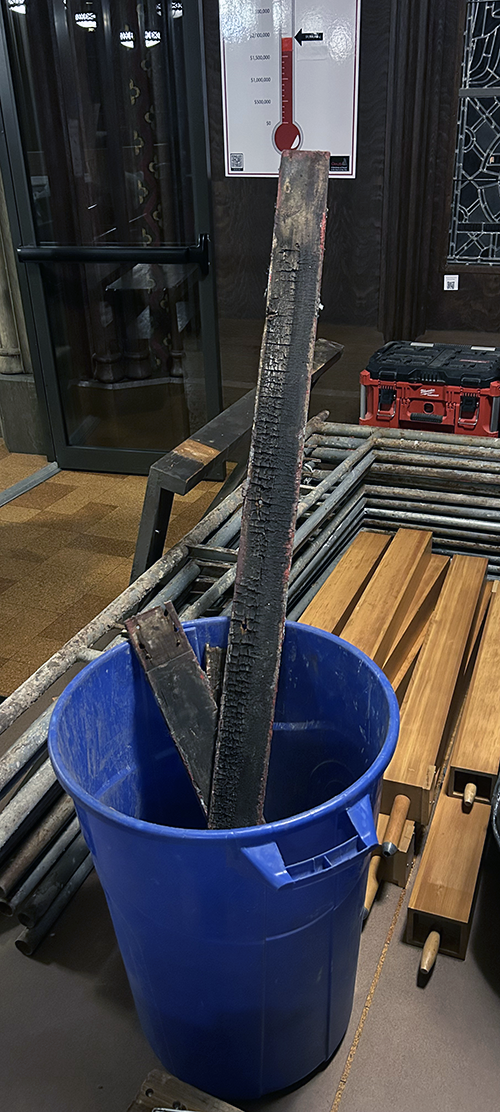
While most pipes will be restored, some organ infrastructure was discarded and will be rebuilt.
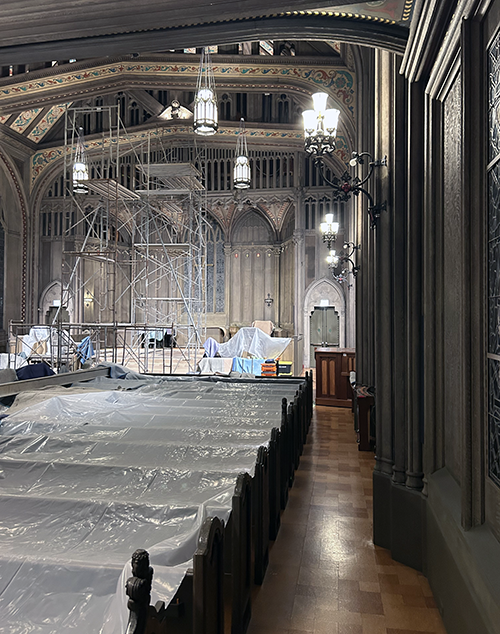
Pews in the sanctuary
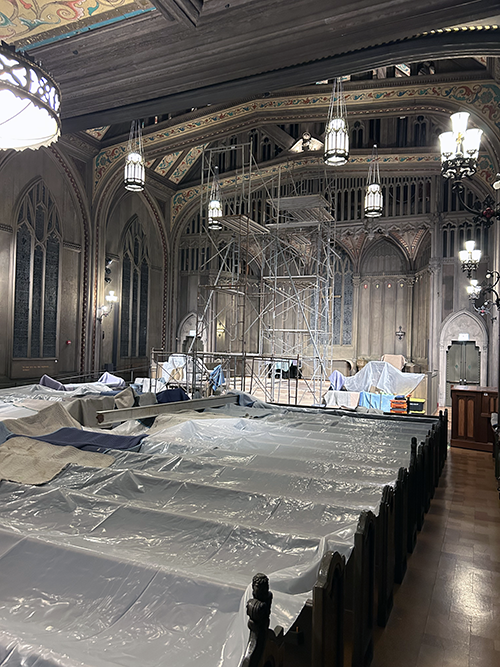
Dismantling and removing Opus 414 required almost 15 days of work.
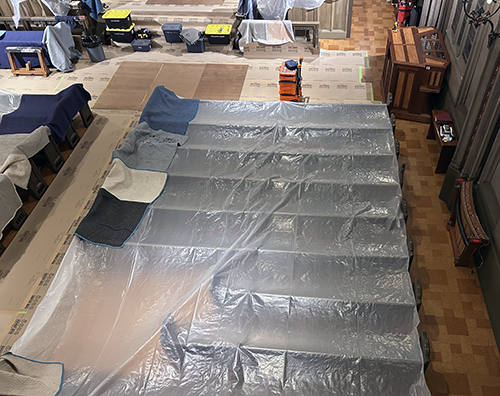
The sanctuary of First United Methodist Church, Chicago, was closed during the dismantling of the of the organ, with church services moved to Dixon Chapel/James Parlor on the second floor.
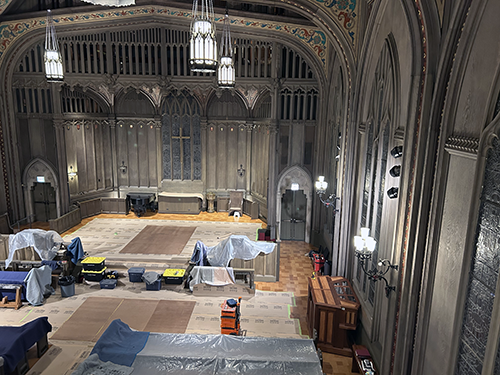
17. A view from the sanctuary’s balcony during preparations for dismantling the organ.
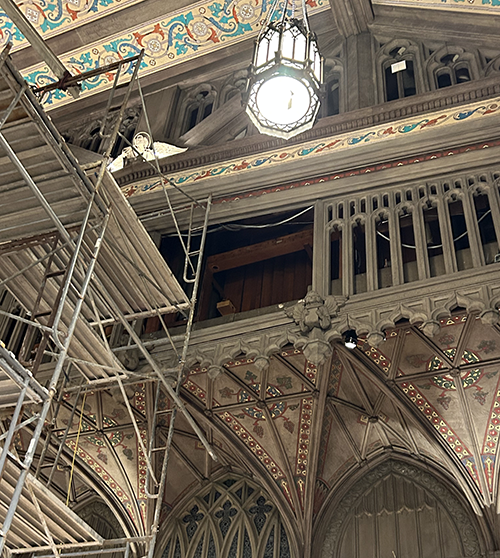
It was necessary to remove entire sections of grillwork in order to access Opus 414's pipes.
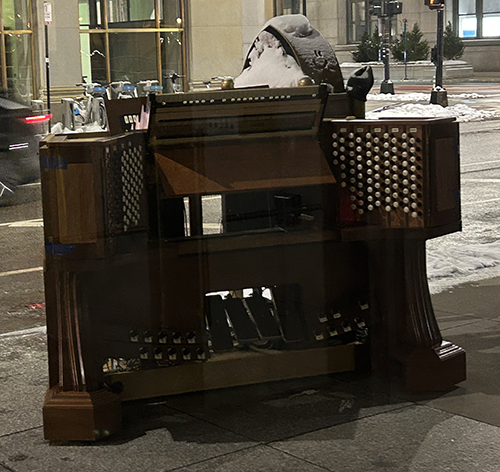
The previous console of Opus 414 waiting for pickup outside the Chicago Temple on LaSalle Street.
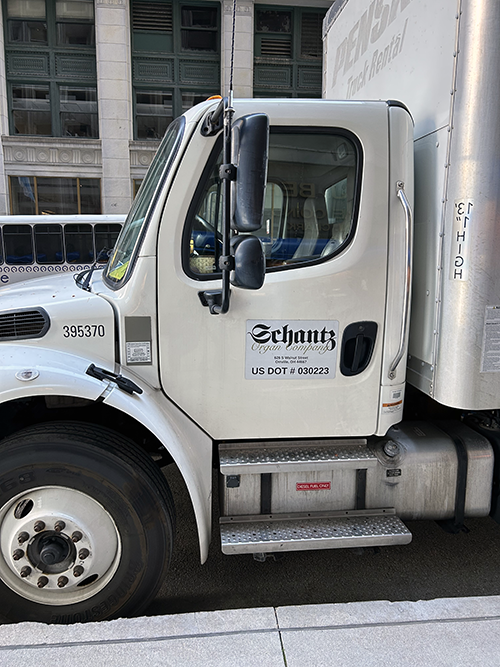
Schantz trucks were used to transport Opus 414 to the company's headquarters in Ohio, where it will be restored and reconditioned.